-
Helaas, net te laat...
-
Helaas, net te laat...
-
Helaas, net te laat...
-
Helaas, net te laat...
-
Helaas, net te laat...
-
Helaas, net te laat...
-
Helaas, net te laat...
-
Helaas, net te laat...
-
Helaas, net te laat...
-
Helaas, net te laat...
-
Helaas, net te laat...
-
Helaas, net te laat...
-
Helaas, net te laat...
-
Helaas, net te laat...
-
Helaas, net te laat...
-
Helaas, net te laat...
-
Helaas, net te laat...
-
Helaas, net te laat...
-
Helaas, net te laat...
-
Helaas, net te laat...
-
Helaas, net te laat...
-
Helaas, net te laat...
-
Helaas, net te laat...
-
Bekijk ze
-
Helaas, net te laat...
-
Helaas, net te laat...
-
Helaas, net te laat...
-
Helaas, net te laat...
-
Helaas, net te laat...
-
Helaas, net te laat...
-
Helaas, net te laat...
-
Helaas, net te laat...
-
Helaas, net te laat...
-
Helaas, net te laat...
-
Helaas, net te laat...
-
Helaas, net te laat...
-
Helaas, net te laat...
-
Helaas, net te laat...
-
Helaas, net te laat...
-
Helaas, net te laat...
-
Helaas, net te laat...
-
Helaas, net te laat...
-
Helaas, net te laat...
-
Helaas, net te laat...
-
Helaas, net te laat...
-
Helaas, net te laat...
-
Helaas, net te laat...
-
Helaas, net te laat...


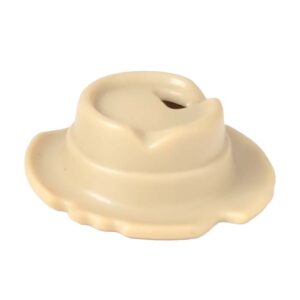
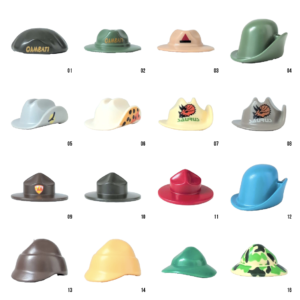
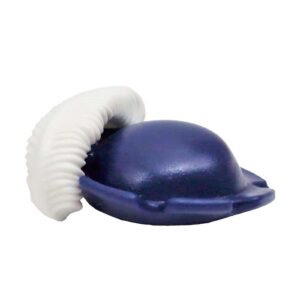
![Playmobil THOUGHTS: The user wants me to translate "Hat, wide brim" from English to Dutch. I should only provide the translated name, without explanation or markdown. If it already looks Dutch, I should leave it as is. "Hat, wide brim" is clearly English. 1. **Translate "Hat"**: "Hoed" 2. **Translate "wide brim"**: "brede rand" 3. **Combine them naturally in Dutch**: In Dutch, adjectives usually precede the noun. So "brede rand hoed" would be a direct translation. However, a common way to describe a hat with a wide brim is "hoed met brede rand" or "hoed met brede randen". If it's used as a descriptive name for an item, "Hoed met brede rand" or "Breedrandhoed" (more compact, but "Hoed, brede rand" is also often seen in item descriptions). Let's consider the context of Playmobil part names. They are often descriptive but concise. "Hat, wide brim" -> "Hoed, brede rand" is a very literal, part-list style translation. "Breedrandhoed" is a more compound word. "Hoed met brede rand" is a fuller description. Given the original "Hat, wide brim" with a comma, "Hoed, brede rand" seems to match the style best for a direct translation of an item name format. "Brede rand hoed" could also work. Let's aim for the most common and natural phrase. "Wide brim hat" would be "breedrandhoed" or "hoed met brede rand". "Hat, wide brim" usually implies "Hat (that is) wide brimmed". I will go with "Hoed, brede rand" as it keeps the structure and conciseness, suitable for a product part name. "Hoed met brede rand" is also very good and natural. "Breedrandhoed" is also a good option, but "Hoed, brede rand" matches the comma structure. Let's re-evaluate: "Hat, wide brim". The "wide brim" describes the hat. "Hoed, brede rand" is good. "Hoed met brede rand" is also very good. "Brede rand hoed" is less common than "Hoed met brede rand". If the goal is just the name, "Breedrandhoed" is a very common way to say it in Dutch. But if we want to stick to the two-part structure (Noun, Adjective/Descriptor), then "Hoed, brede rand" makes sense. Consider how Playmobil might list it: "Hoed, breedrandig" (hat, wide-brimmed) "Hoed, brede rand" (hat, wide brim) Let's consider the most direct and common translation for "wide brim hat": It is "breedrandhoed". Or if we keep the "Hat, [description]" structure: "Hoed, brede rand". This seems to be the most faithful translation in terms of structure and meaning. I'll go with "Hoed, brede rand".Hoed, brede rand](https://www.playmodok.nl/wp-content/uploads/2026/04/05_520114_11_30096480-300x300.jpg)